The Details
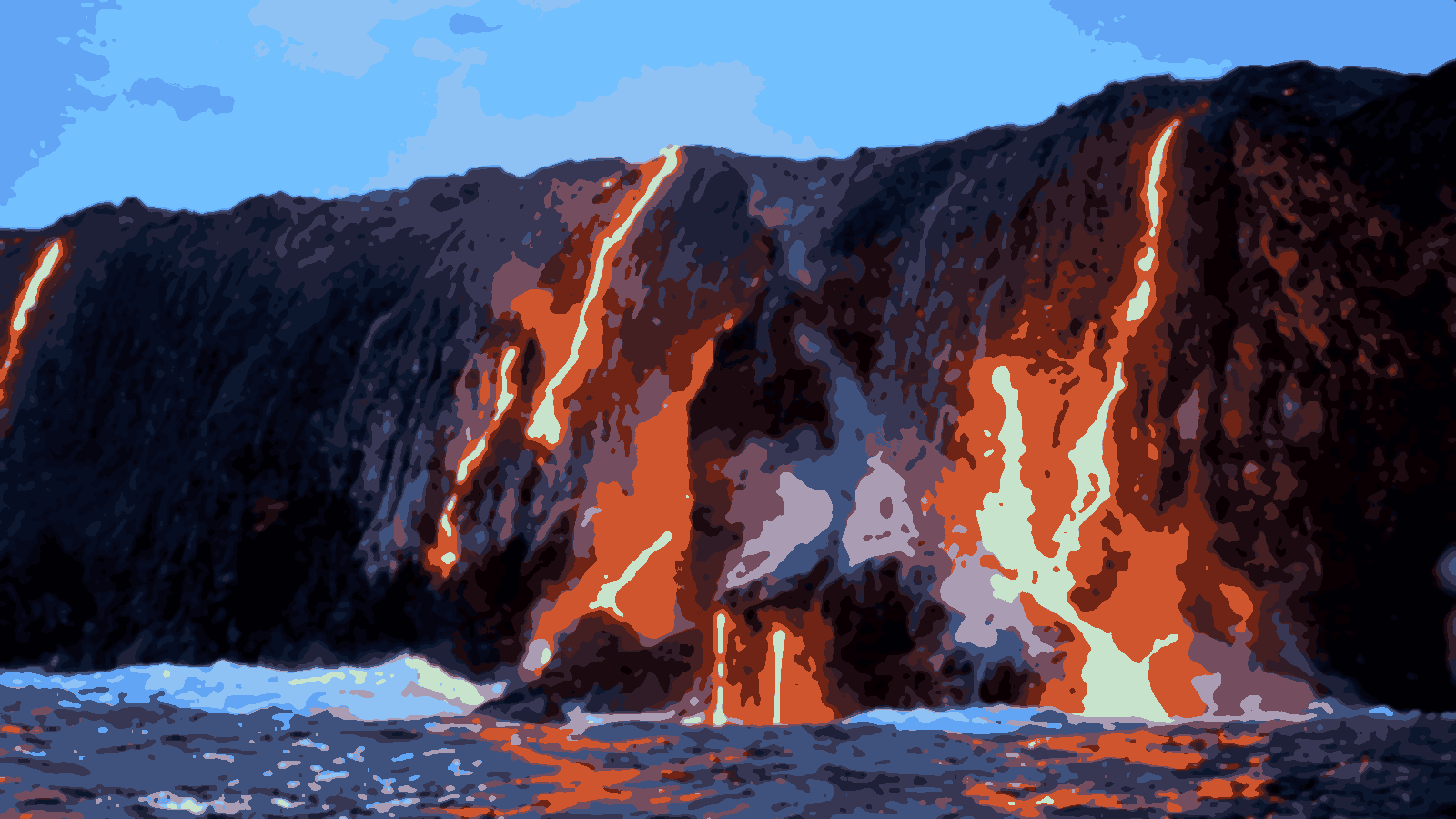
Active lava flows, steam vents, and craters on the Big Island — one of the most geologically alive places on Earth.
STATE
HI
ESTABLISHED
1916
AREA
326k acres
ECOSYSTEM
Volcanic
When To Visit
Best Time To Visit
MONTH BY MONTHBEST TIME TO GO
Year-round; April–October is drier at the Kīlauea summit (about 4,000 feet, noticeably cooler than the coast). Check eruption status and air quality first.
J
F
M
A
M
J
J
A
S
O
N
D
WEATHER
CROWDS
Weather: greatokaytough — heat, cold, snow, monsoon or closures
Crowds: quietmoderatebusy
CROWDS
Night viewing of the glow draws crowds when eruptions are active.
WEATHER
The summit is often cool, foggy and rainy — bring layers. Volcanic haze (“vog”) can affect breathing.
General patterns — conditions vary by year. Check current NPS alerts and road status before you go.
How Far
Park Entrances
SET YOUR LOCATIONEvery entrance is a different drive. Enter your ZIP to compare:
Kīlauea Visitor Center
Nearest Airports
ESTIMATED DRIVE TO THE PARKITO
DIRECTIONS →Hilo IntlNEAREST
≈ 30 mi · ~35 min drive to Kīlauea Visitor Center
KOA
DIRECTIONS →Kona Intl
≈ 69 mi · ~1.4 hr drive to Kīlauea Visitor Center
Distances are rough estimates to the closest entrance. Check road and ferry conditions before you go.
What To Do
Top Things To Do
◆Drive Chain of Craters Road to the coast
◆Look into Kīlauea from the Uēkahuna overlook
◆Walk through Nāhuku (Thurston Lava Tube)
◆Check conditions for eruption viewing and glow at night
Where To Stay
Camping
Campgrounds inside the park are booked through Recreation.gov, and many fill months ahead.
FIND CAMPSITES ON RECREATION.GOV ↗Lodging & Nearby Towns
INSIDE THE PARK
Volcano House
GATEWAY TOWNS
VolcanoHiloPāhala
Cool Facts & Figures
By The Numbers
#24
LARGEST OF 64
#11
OLDEST OF 64
325,605
ACRES
110
YEARS PROTECTED
◆Mauna Loa is the largest active volcano on Earth.
◆The park is home to two of the world’s most active volcanoes, Kīlauea and Mauna Loa.
Links
Plan Your Visit
OFFICIAL & TRUSTED SITESREADY TO GO?
Plan a trip to
Hawaiʻi Volcanoes
Hawaiʻi Volcanoes