The Details
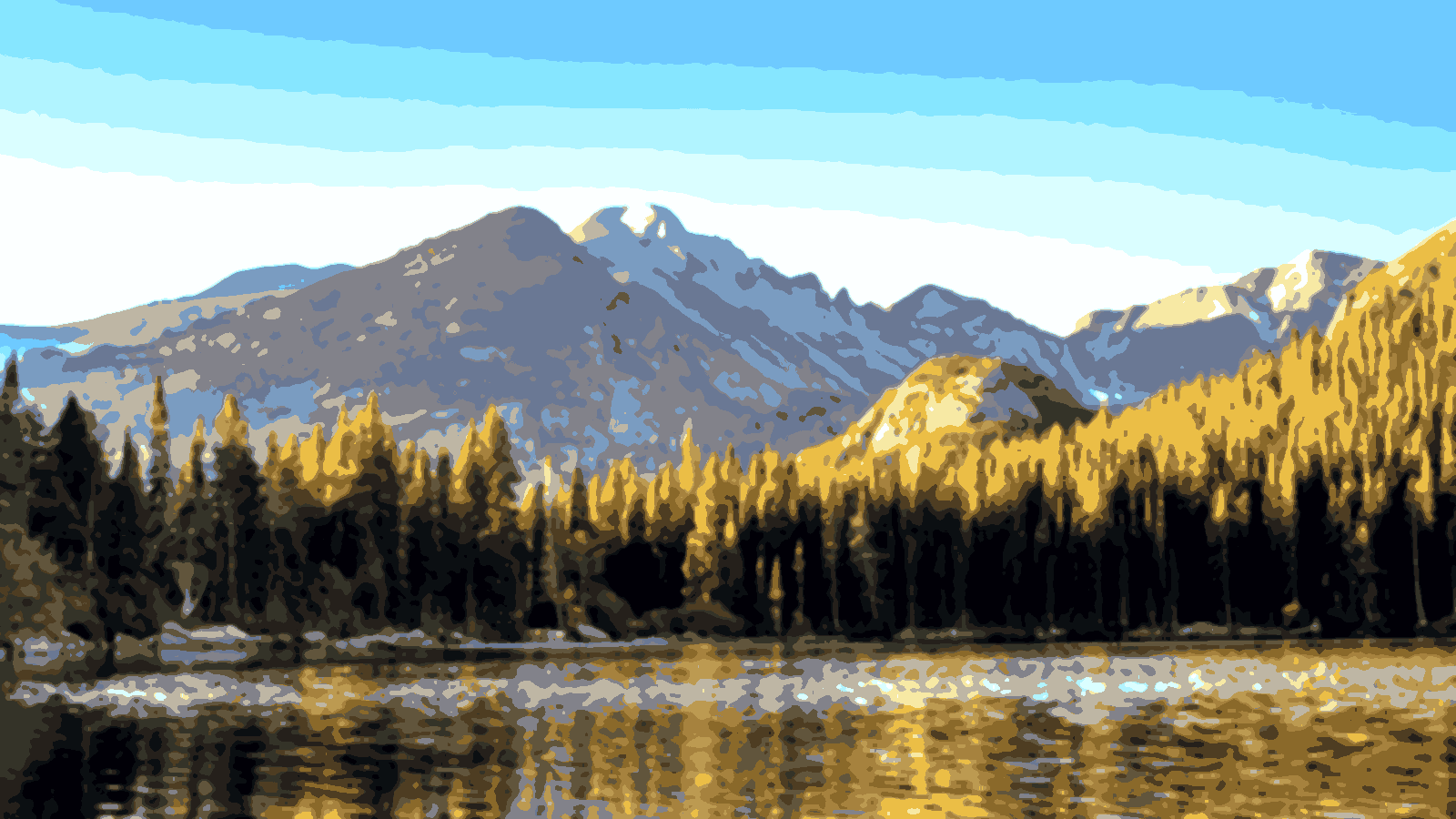
Trail Ridge Road crosses the Continental Divide at 12,183 feet through alpine tundra and glacier-carved valleys in Colorado.
When To Visit
Best Time To Visit
MONTH BY MONTHMid-July–September: Trail Ridge Road is fully open (typically late May–mid-October), wildflowers peak in July, and September brings the elk rut and aspens.
Summer weekends are very busy; timed-entry reservations are typically required in peak season, so check current rules.
Afternoon lightning is dangerous above treeline — be off summits by noon. Trail Ridge Road closes in winter, and snow can linger on high trails into July.
General patterns — conditions vary by year. Check current NPS alerts and road status before you go.
How Far
Park Entrances
SET YOUR LOCATIONNearest Airports
ESTIMATED DRIVE TO THE PARKDistances are rough estimates to the closest entrance. Check road and ferry conditions before you go.
What To Do
Top Things To Do
Why Go
Top Hikes
5 TRAILSThe best hike in the park. Passes Alberta Falls, two lower lakes, and scrambles up a waterfall to reach Sky Pond — a high tarn sitting beneath the sheer cliffs of Taylor Peak. Arrive at the trailhead by 5am in summer.
The most popular hike in the park, and deservedly so. Passes Nymph Lake and Dream Lake before reaching Emerald Lake in a cirque below Hallett Peak. Go early or go on a weekday.
Colorado's fourteenth-highest peak at 14,259 feet. The standard Keyhole Route is a non-technical scramble in dry summer conditions, but afternoon lightning is lethal — summit by 7am, period. No permit required.
Climbs to the Continental Divide above Bear Lake. Flattop at 12,324 feet is accessible to most fit hikers; the scramble to Hallett Peak (12,713 ft) adds a mile and requires route-finding on rocky terrain.
Sits below the Diamond — the sheer 945-foot east face of Longs Peak. You'll likely see technical climbers on routes above. The lake itself is a classic glacial cirque, cold and perfectly still in early morning.
Wildlife
WHAT YOU MIGHT SEESights & Viewpoints
Nearby Road Trips
Drives through the park itself — 48 miles from Estes Park to Grand Lake over the Continental Divide. Crossing the tundra section above treeline, with no guardrails and open views for miles, is genuinely one of the best drives in the country.
Colorado's oldest scenic byway runs 55 miles along the Front Range from Estes Park south to Black Hawk. Mine towns, mountain villages, and views of the Indian Peaks Wilderness.
Combines Rocky Mountain NP with Boulder (30 miles east), Fort Collins, and Denver into a 3-4 day circuit. One of the easiest multi-destination road trips from Denver International Airport.
Where To Stay
Camping
3 CAMPGROUNDSThe largest campground, in an open meadow where elk graze at dawn and dusk. Summer reservations required; a section remains open first-come in winter. The best spot for fall rut wildlife watching.
Near the Glacier Gorge and Bear Lake trailheads — the most convenient location for the best hiking. Group sites available. Book immediately when the 6-month window opens.
Smaller, quieter campground near the Fall River entrance on the north side of the park. A good choice if the Bear Lake corridor campgrounds are full.
See every campground and open dates on Recreation.gov.
FIND CAMPSITES ON RECREATION.GOV ↗Lodging & Nearby Towns
There’s no lodging inside this park, so most visitors stay in the nearby towns above.
Cool Facts & Figures
By The Numbers
Links
Plan Your Visit
OFFICIAL & TRUSTED SITESRocky Mountain